ASPIRE
Asia Pacific Initiative on Reproduction
Aspire Logo
Asia Pacific Initiative on Reproduction
Bridging Reproductive Medicine Across Asia Pacific
ASPIRE

News and Updates

Latest Announcements

August 7th, 2026

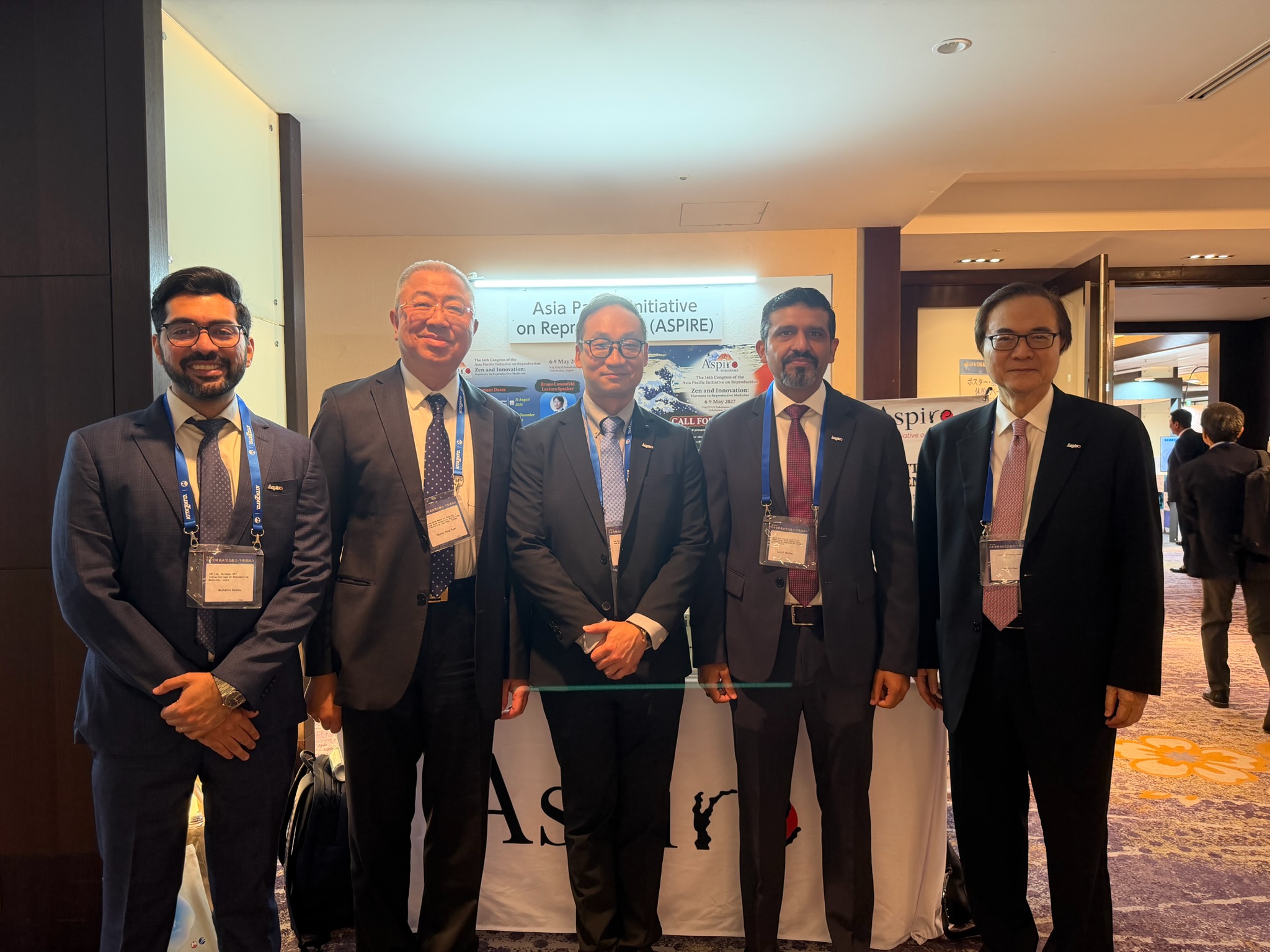
ASPIRE was proud to take part in two major reproductive medicine meetings in Asia in the month of July: PITPOGI 2026 (Indonesia) and JSFI 2026 (Japan), reaffirming our commitment to education, collaboration, and the growth of the reproductive medicine community across the region.

At PITPOGI 2026, ASPIRE contributed to the scientific programme through a keynote lecture by Professor Jung Ryeol Lee, who presented "Translational Research in Ovarian Function Restoration: From Unmet Needs to Scientific Advances." His talk explored the latest developments in ovarian function restoration and sparked lively discussion among delegates.

At JSFI 2026, ASPIRE organised a dedicated scientific session with distinguished faculty members Dr David Chan, Dr Hong Yuan Huang, Dr Keshav Malhotra, and Dr Haroon Latif. Their presentations spanned a wide range of topics — time-lapse incubator efficacy, microfluidics-based sperm selection for male factor infertility, digital traceability and quality management in IVF laboratories, and practical applications of artificial intelligence in IVF clinics.

Beyond the scientific sessions, ASPIRE also maintained an on-the-ground presence at both congresses, engaging delegates on membership benefits, educational programmes, and professional development opportunities while connecting with the local fertility communities.

We are grateful to everyone who stopped by our booths, joined our sessions, and engaged with us. ASPIRE looks forward to building on these partnerships as we continue to support education, collaboration, and excellence in reproductive medicine throughout the Asia-Pacific region.


ASPIRE at PITPOGI 2026 and JSFI 2026: Building Regional Ties

ASPIRE was proud to take part in two major reproductive medicine meetings in Asia in the month of July: PITPOGI 2026 (Indonesia) and JSFI 2026 (Japan), reaffirming our commitment to education, collaboration, and the growth of the reproductive medicine community across the region.

34 1
August 4th, 2026

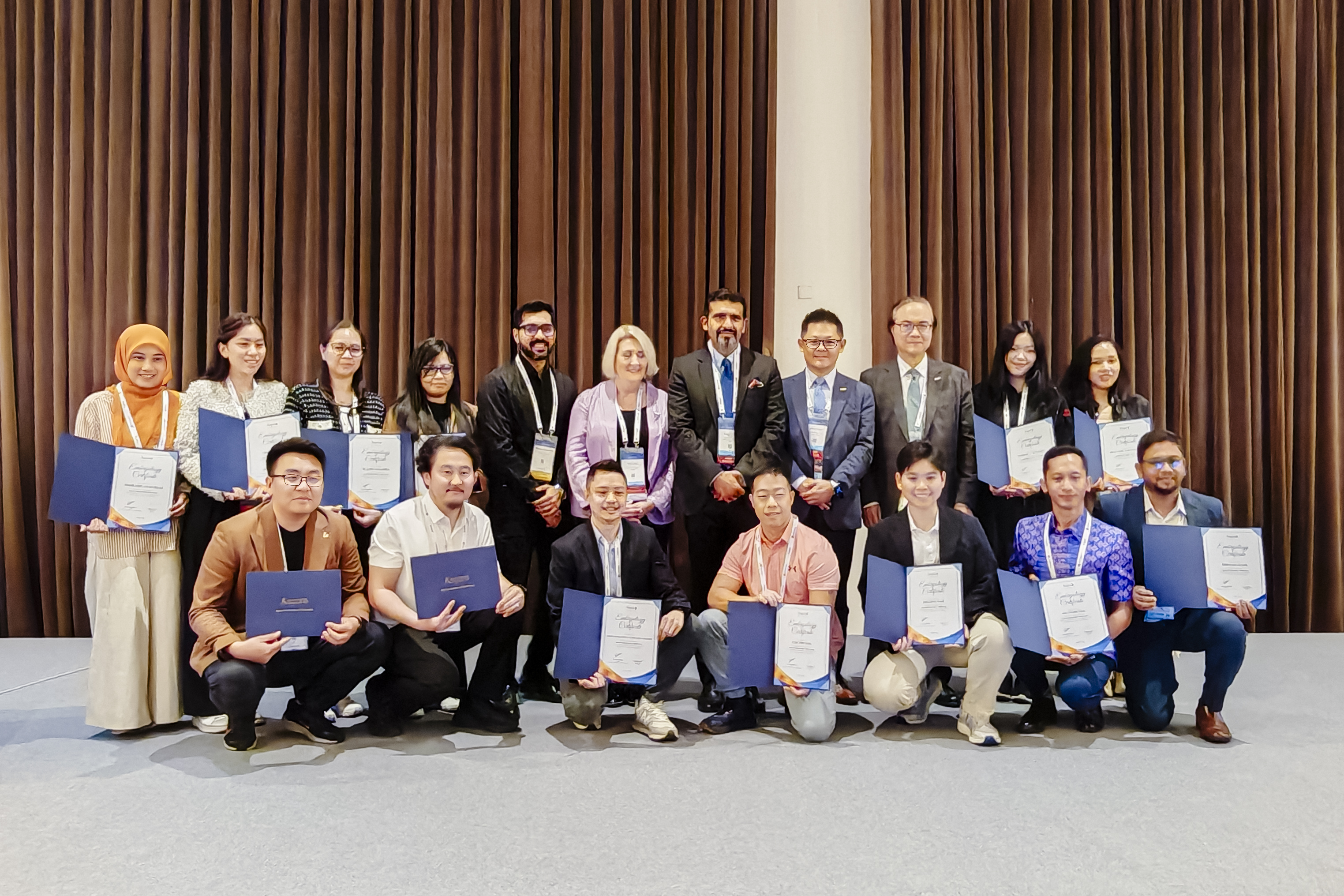
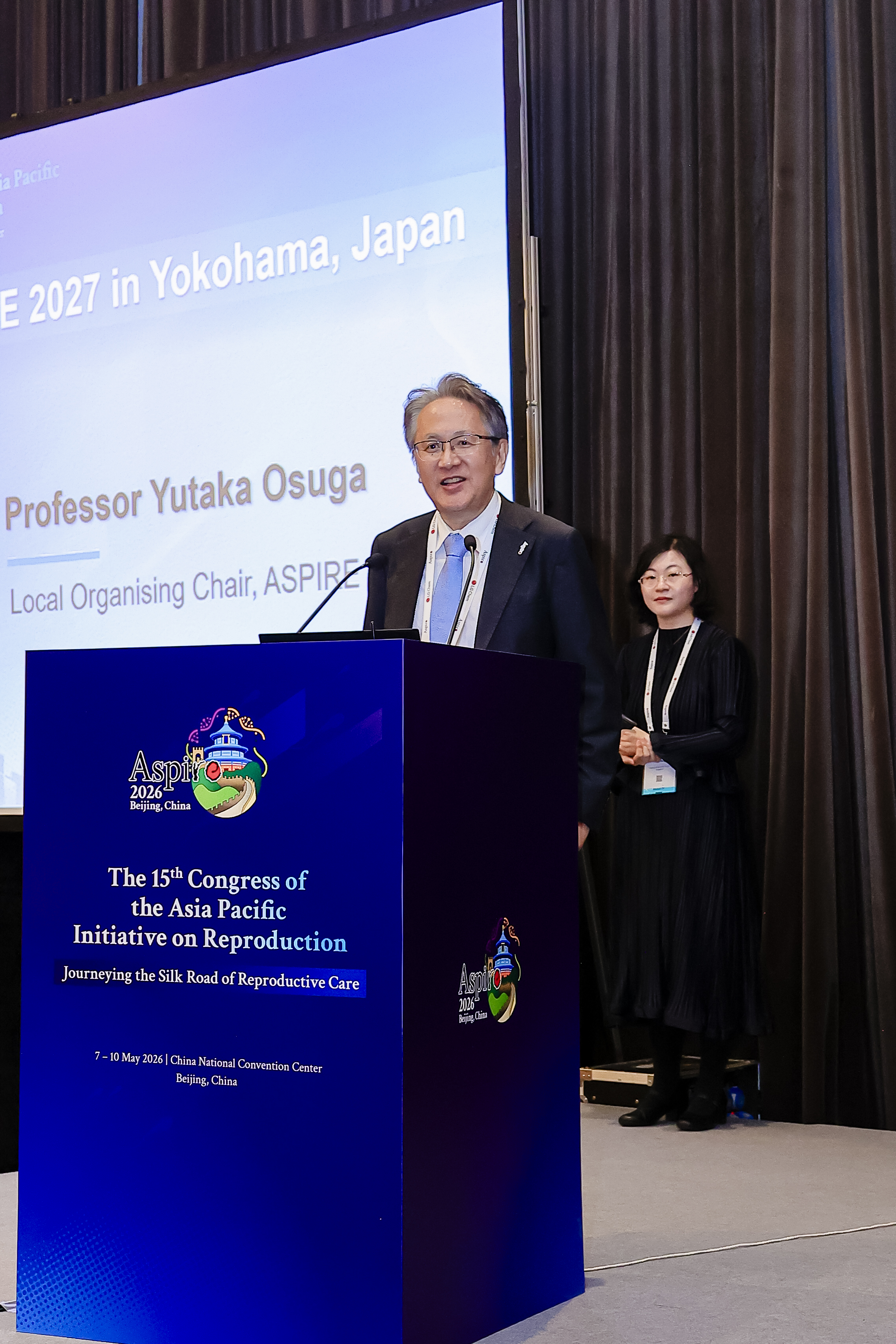
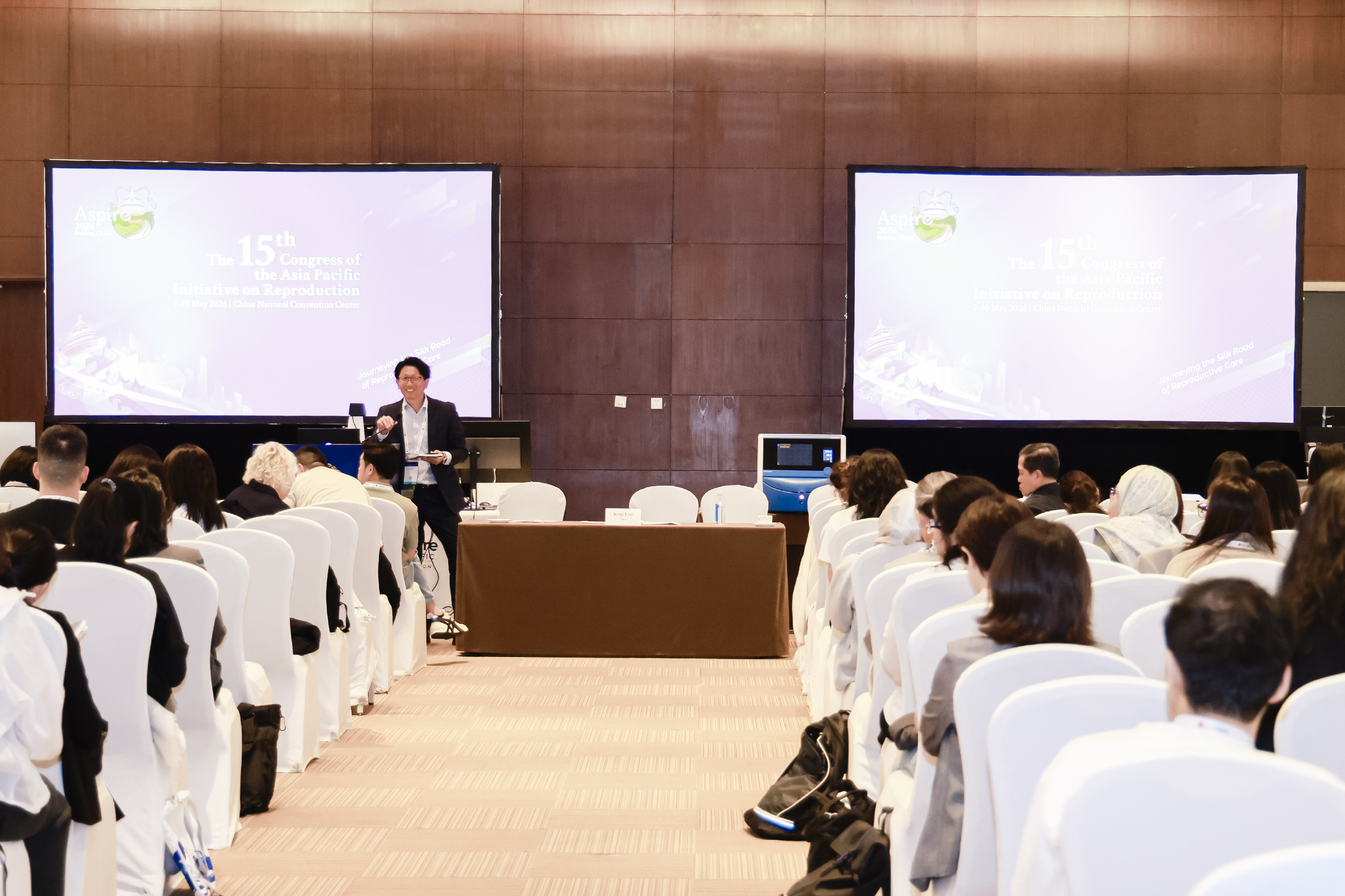
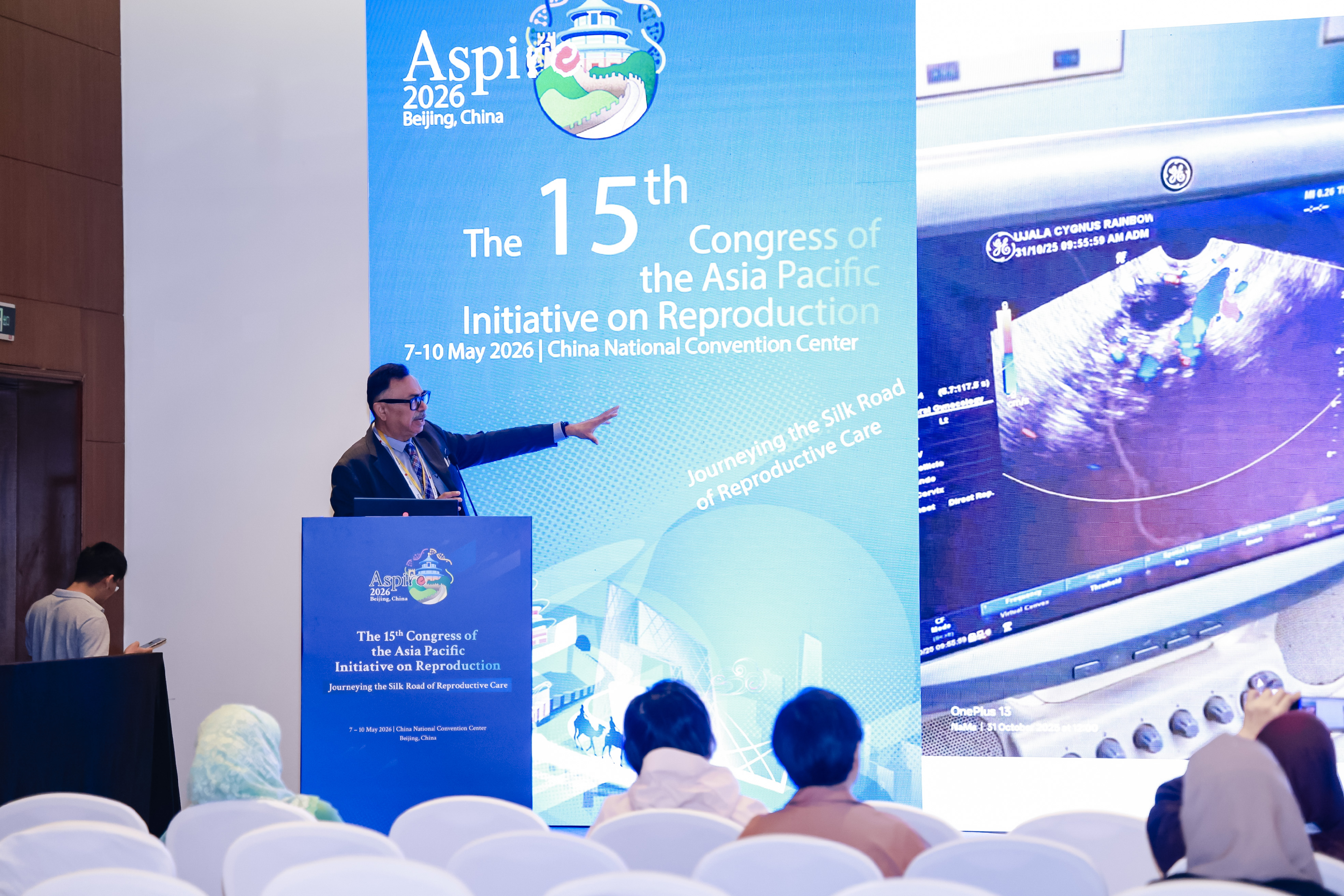
ASPIRE’s outstanding 2026 Congress in Beijing accelerated its growing status on the world stage of fertility health and assisted reproductive technology.

Around 3,300 delegates attended the Beijing Congress with many of the 60 countries represented attending ASPIRE’s premier annual event for the first time. 

Renowned for its academic and research institutions, Beijing is a hub for science, technology and international collaboration. China is the biggest provider of assisted reproductive technology services in the world and for Beijing, a city of 22 million people, it was the 20th anniversary of the first ASPIRE Congress in 2006.

President, Dr Haroon Latif, said ASPIRE was building a new era of cross border collaboration and networking to widen membership and influence.

“Our region accounts for over two-thirds of the world's IVF cycles and ASPIRE continues to play a critical role in advancing clinical standards, education, and research in reproductive medicine across the Asia Pacific.”

Dr Latif said the success of the Beijing meeting augurs well for ASPIRE’s 2027 Congress in Yokohama, Japan next May. 

“Thousands of specialists in assisted reproduction from across the world came to the Congress in Beijing to address fertility health challenges that impact on the Asia Pacific region and beyond,” he added.

“Throughout its relatively short history, assisted reproductive technology has faced many challenges, but it has overcome each of them to support those striving for parenthood.”

Dr Latif said ASPIRE had grown to become one of the world’s biggest and most influential societies in assisted reproduction and it has created dynamic education and awareness programs with communication technologies reaching participants across the globe.

“ASPIRE has established close links with other international bodies including the European Society of Human Reproduction and Embryology, the American Society for Reproductive Medicine, the International Federation of Fertility Societies and the Global Andrology Forum,” he explained.

“We are working collaboratively to achieve our objectives including raising awareness and understanding of infertility and to address vital issues of equitable and affordable access to care.

“I look forward to working closely with our dynamic ASPIRE community and the exceptional Board that guides it. With our shared commitment, collective wisdom, and deep expertise, I am confident that we can shape a future for ASPIRE that is impactful, inclusive and truly transformative for reproductive health across the region.”

Building on the success of ASPIRE’s Beijing Congress

ASPIRE’s outstanding 2026 Congress in Beijing accelerated its growing status on the world stage of fertility health and assisted reproductive technology. Around 3,300 delegates attended the Beijing Congress with many of the 60 countries represented attending ASPIRE’s premier annual event for the first time.

60 2
July 28th, 2026

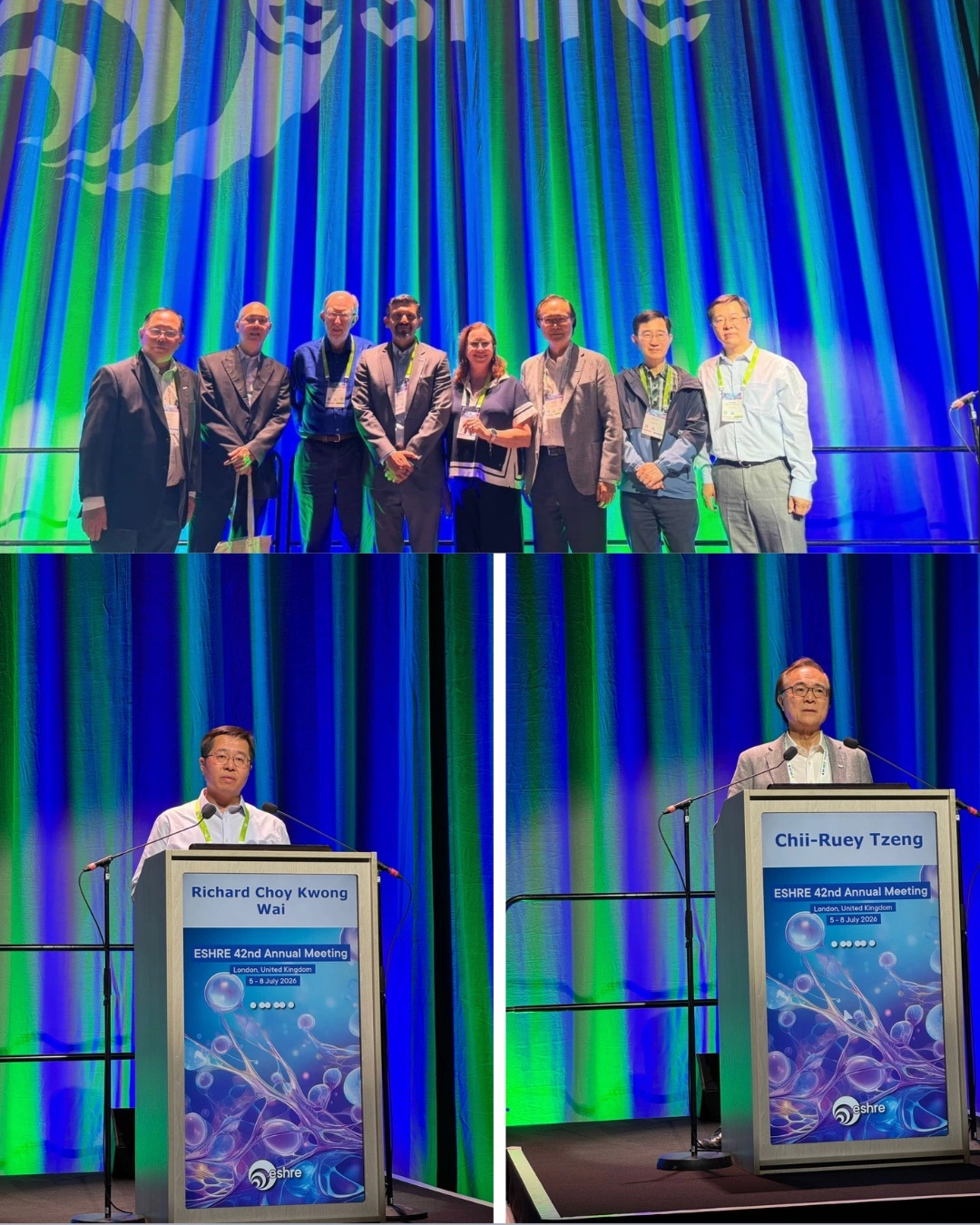
ASPIRE was in the global spotlight at the 42nd annual meeting of the European Society of Human Reproduction and Embryology (ESHRE) in London in early July.

The meeting featured a dedicated ASPIRE exchange session on enhancing fertility outcomes. It was co-chaired by ASPIRE President, Dr Haroon Latif and President-elect Professor Virgilio

Professor Chii-Ruey Tzeng, a pioneer and leader in reproductive medicine in Taiwan, spoke in the session on up-to-date treatment of

He was joined by Professor Richard Choy Kwong Wai, a Hong Kong-based expert in genomic medicine and molecular diagnosis, who addressed the meeting on under-recognized genome-wide uniparental disomy and triploidy in human blastocysts revealed by a concurrent preimplantation genetic testing method.

It was a showcase event for ASPIRE at one of the world’s biggest annual meetings on assisted reproductive technology. ESHRE collaborates globally in its mission to:
• advocate for universal improvements in scientific research;
• encourage and evaluate new developments in the field; and 
• foster harmonisation in clinical practice. 

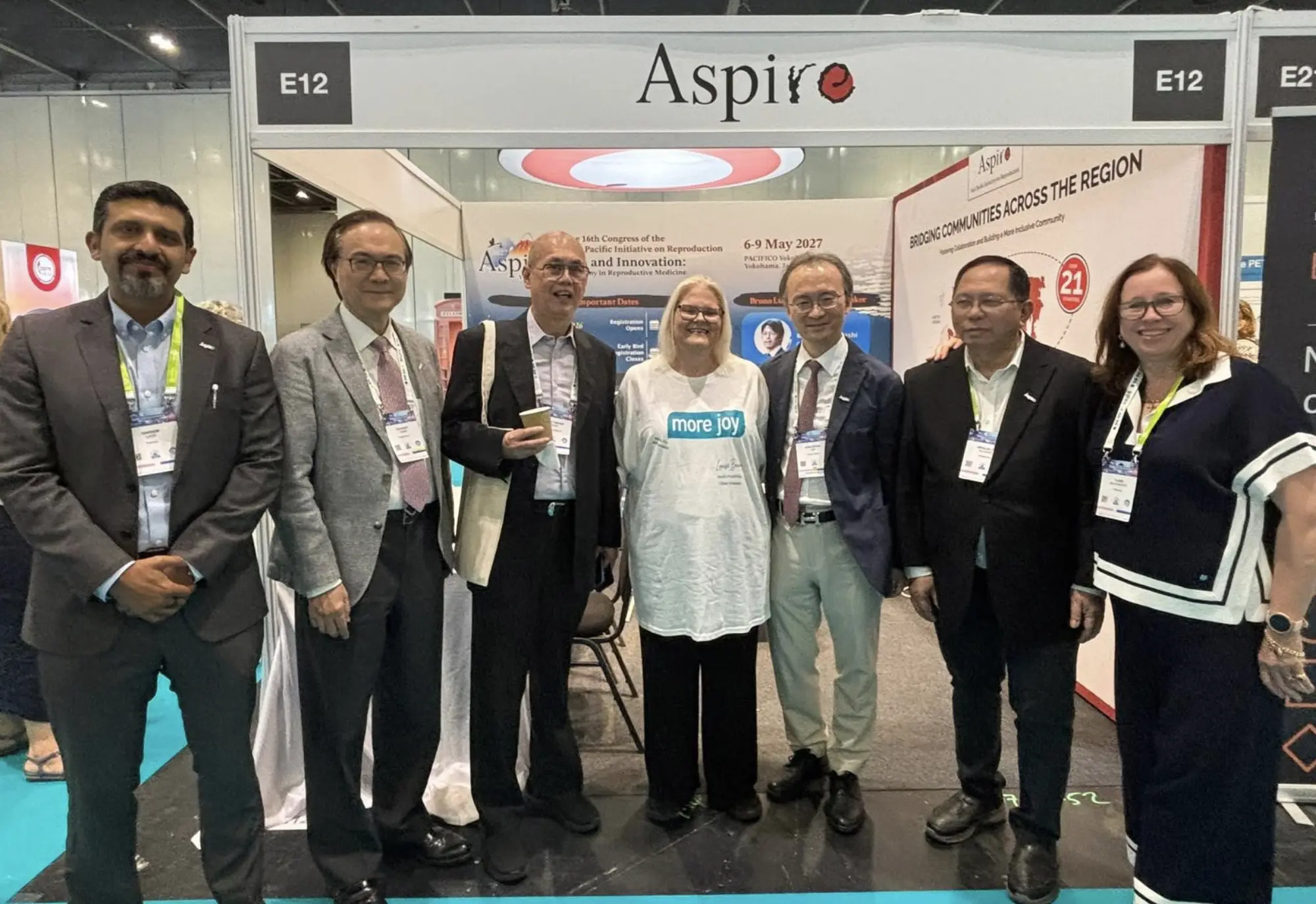
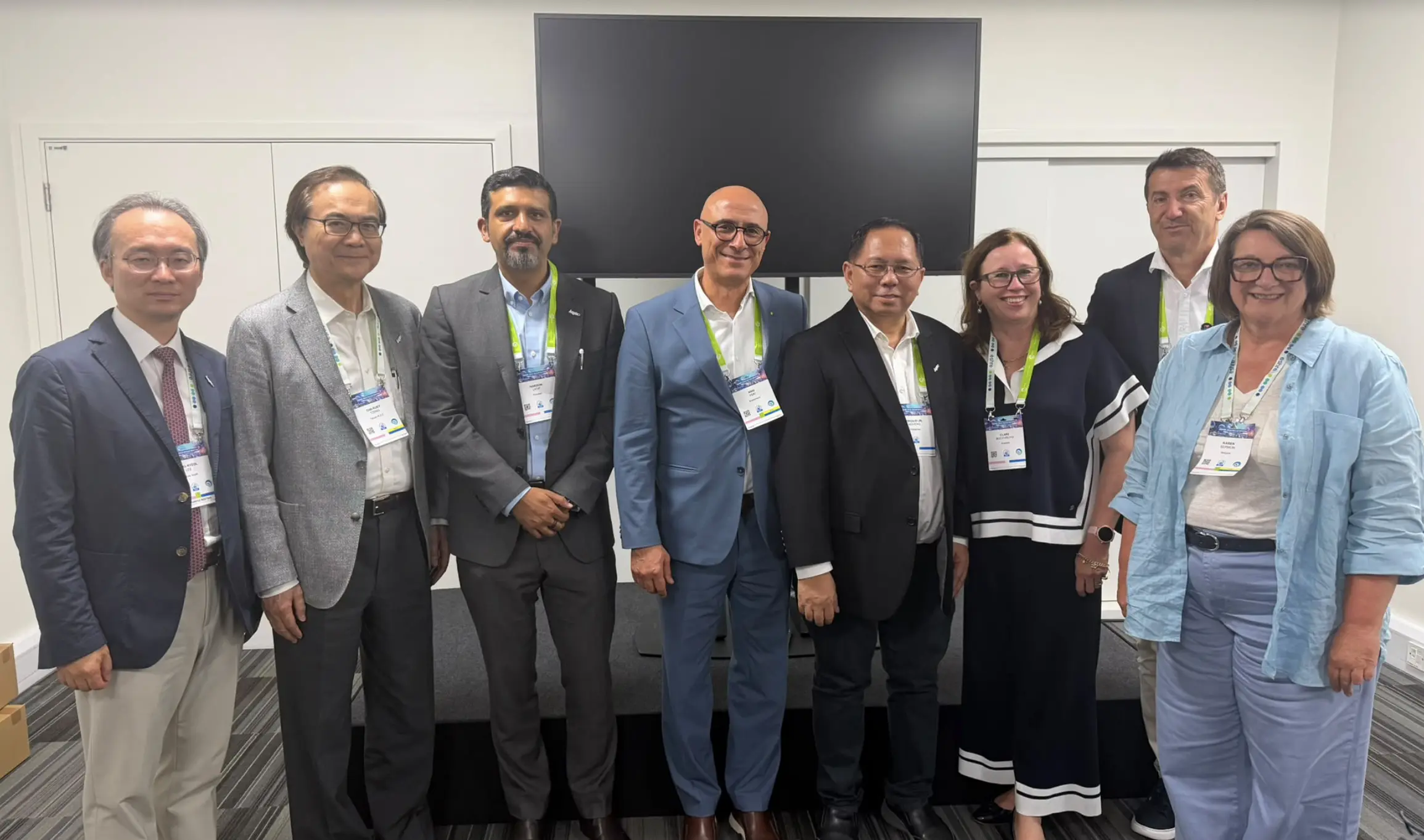
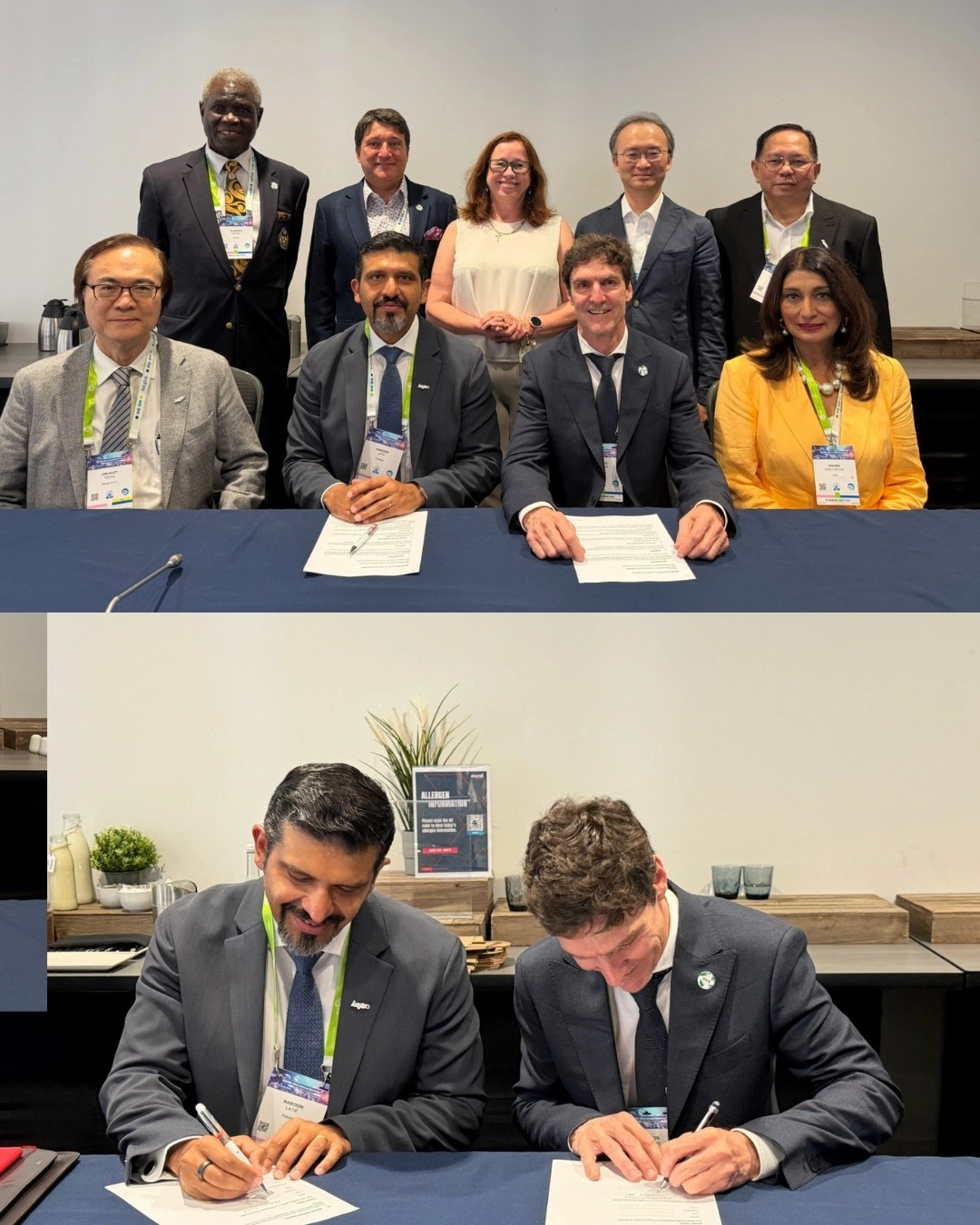
Senior members of ASPIRE and representatives of the ASPIRE Secretariat also attended the ESHRE meeting in London to engage with colleagues from other major societies and to promote membership.

ASPIRE will feature at the 2026 Scientific Congress of the American Society for Reproductive Medicine (ASRM) in Baltimore in October. Dr William J. Huang from the National Yang Ming Chiao Tung University in Taiwan will address a roundtable subject entitled Decoding Spermatogenesis: Real Time Assessment of Meiotic during TESE.

Upcoming Events Where ASPIRE Will Be Officially Represented:

The 44th Annual Meeting of the Japan Society of Fertilization and Implantation (JSFI 2026)
Date: 30 - 31 July 2026
Location: Tokyo, Japan

MSART Annual Conference 2026 
Date: 16 to 18 October 2026
Location: Kuala Lumpur, Malaysia

ASRM 2026 Meeting
Date: 24 to 28 October 2026
Location: Baltimore, Maryland, USA

KSRM 2026 International Congress
Date: 5 – 6 December 2026
Location: Seoul, Korea

IFS FERTIVISION 2026
Date: 18 – 20 December 2026
Location: Kolkata, India

For more information, go to https://aspire-reproduction.org/events-calender.php

ASPIRE prominent in global society meetings

ASPIRE was in the global spotlight at the 42nd annual meeting of the European Society of Human Reproduction and Embryology (ESHRE) in London in early July.
The meeting featured a dedicated ASPIRE exchange session on enhancing fertility outcomes. It was co-chaired by ASPIRE President, Dr Haroon Latif and President-elect Professor Virgilio Novero.

53 4
July 21st, 2026

ASPIRE’s growth in membership service provision, education programs, web and social media communications, marketing, financial and event management has led to an expansion of its Singapore-based Secretariat.

Two new staff members, ChiChi Chen and Dawn Koh, have been appointed to executive roles to help manage the Secretariat’s expanding workload.

Secretariat staff now comprise:

• Association Director, Jing Qi, whose roles include overall management of the Society and the annual Congress.

• Association Manager, Cassandra Mak – annual Congress and F&R Journal governance.

• Association Executive, Pavithira Naidu – social media, news briefs, website management and memberships.

• Association Executive, ChiChi Chen – masterclass, accreditation and F&R manuscript management.

• Association Executive, Dawn Koh – EduConnect, Country Reps and Special Interest Groups (SIGs).

New staff and expanding roles for our Secretariat

ASPIRE’s growth in membership service provision, education programs, web and social media communications, marketing, financial and event management has led to an expansion of its Singapore-based Secretariat.

38 5
June 23rd, 2026

ASPIRE is moving to a new digital breaking news format

ASPIRE is committed to keeping members informed about news and events that reflect latest developments and future trends in assisted reproduction.

Traditionally, we have presented the ASPIRE Newsletter as a key aspect of our communications delivering news, commentary, reports from our country representatives and Special Interest Groups along with vital information on education programs, accreditation, upcoming events and membership.

However, ASPIRE recognises that the way people engage with news is changing with a greater focus on accessing information in digital formats and mobile environments. News is no longer something people seek out at set times. It is now embedded within a more fluid domain in which people want news that is more flexible, accessible and personally relevant.

ASPIRE is embracing this change by moving from our traditional newsletter to a breaking news, digital format that members will be able to access on our website and social media channels. This is timely given that ASPIRE has also refreshed its website to make it easier for people to navigate our resources.

From July, ASPIRE will be regularly posting news updates, country and SIG reports and other vital details on education, professional development and events that will keep members abreast of information that reflects and guides best practice in fertility health and assisted reproduction.

As President, Dr Haroon Latif, says “our future lies in networking” as ASPIRE builds to become one of the world’s biggest and most influential societies in assisted reproduction with dynamic awareness programs and communication technologies reaching participants across the globe.

We welcome input and comments from members on this change to our digital platforms and distribution channels for the discovery and consumption of news and information that matters.

ASPIRE Secretariat
E-mail: secretariat@aspire-reproduction.org
www.aspire-reproduction.org

ASPIRE is moving to a new digital breaking news format

ASPIRE is moving from its traditional newsletter to a new digital breaking news format, with regular updates on news, country and SIG reports, education, professional development and events available through the ASPIRE website and social media channels.

60 3
June 5th, 2026

Fertility patients vulnerable to social media overload of misleading data where evidence and algorithms collide

Media Release, 7 May 2026

BEIJING: Patient information overload dominated by misleading social media and marketing is causing patients experiencing infertility to have unrealistic expectations about treatment success often resulting in psychological distress.

“Never before have patients had so much information on fertility medicine, and never before has so much of it been wrong, incomplete or misinterpreted,” said Indian fertility specialist, Dr Madhuri Patil.

“Fertility medicine has changed in the age of information overload where data, anecdotes and algorithms collide.

“The information ecosystem is dominated by social media influencers, commercial marketing and clinic marketing, online forums, patient communities and non-peer reviewed sources.

“Misinformation can impact on patient treatment expectations, timing decisions, treatment adherence and doctor-patient trust.

“Fertility care is uniquely vulnerable. There are high emotional and financial stakes for patients striving for parenthood, and treatment expectations based on misinformation or misinterpretation can result in psychological distress and drop-out from treatment.”

Speaking at the 2026 Congress of the Asia Pacific Initiative on Reproduction (ASPIRE) in Beijing, Dr Patil said the types of misinformation included:

  • overestimation of IVF success rates;

  • misinterpretation of age-related fertility decline;

  • misunderstanding ovarian reserve testing;

  • so-called natural or alternative therapies with unproven efficacy;

  • add-on treatments marketed without strong evidence; and

  • assumptions that elective egg freezing guarantees fertility.

“These issues matter because of the rapid growth of assisted reproductive technology and fertility services globally,” she said.

“Misinformation is no longer on the fringe. It is mainstream and patients are arriving at fertility clinics armed with half-truths, over generalised statistics and misplaced certainty.”

Dr Patil is a Bangalore-based fertility specialist, country representative to ASPIRE and former Chair of the ASPIRE Special Interest Group on Reproductive Endocrinology. She is President-elect of the Indian Society for Assisted Reproduction (ISAR) and Associate Editor of Fertility and Sterility, the official publication of the American Society for Reproductive Medicine (ASRM).

She said counselling in assisted reproductive technology fails when population data averages are presented as individual treatment predictions.

“IVF is often a multi-cycle treatment,” Dr Patil explained. “Cumulative live birth rates – rather than IVF success rates reported per transfer – better reflect patient prognosis.

“Evidence must be interpreted for the individual patient, not an algorithm that may be technically correct, but clinically misleading.

“Social media amplification in particular results in emotional narratives outweighing statistical reality, IVF success stories being over-represented, simplified messaging and commercial bias.

“This results in patients having pre-formed treatment demands with significant clinical and personal consequences, including increased anxiety, decisional conflict and dropout.”

Dr Patil said it was important for fertility clinics to embrace a counselling framework in which:

  • patients are asked what they believe about treatment;

  • misinformation sources are identified;

  • emotional concerns are validated;

  • treatment options are reframed with evidence; and

  • patients are provided with individualised prognosis.

“This is the recommended approach to evidence-based fertility care,” she said.

“It also requires standardised and transparent reporting metrics across clinics, regulation of fertility-related advertising, public education with improved patient decision aids, and fertility specialists occupying the digital space with accurate and consistent evidence-based messaging.”

Around 3,000 fertility specialists from across the globe are attending the ASPIRE Congress, which is being held at the China National Convention Centre in Beijing from 7 to 10 May.

Further information, go to https://www.aspire2026.com

INTERVIEW:

Dr Madhuri Patil is available for interview. To arrange, please contact Trevor Gill, ASPIRE Congress Media Relations Tel: (Australia) 61 418 821948 or email lighthousepr@adelaide.on.net


Fertility patients vulnerable to social media overload of misleading data where evidence and algorithms collide

BEIJING: Patient information overload dominated by misleading social media and marketing is causing patients experiencing infertility to have unrealistic expectations about treatment success often resulting in psychological distress.

21 3
1 2 3

Share this News